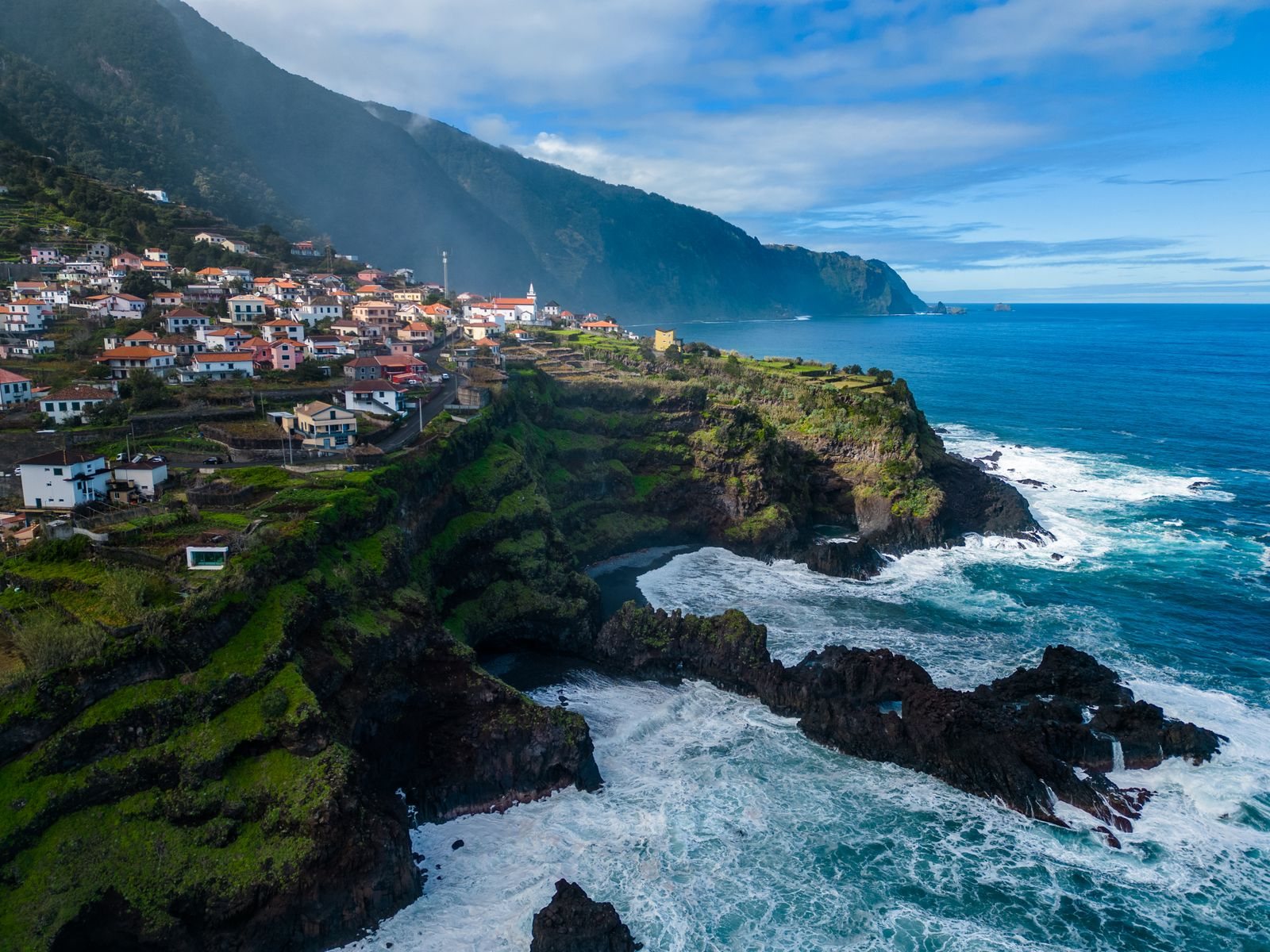
Madeira
Dramatic ridges, levada paths and flower-filled Funchal on a steep Atlantic island.
Read the Madeira guide →Discover islands that sit between tropical and temperate: volcanic, green, ocean-shaped places with mild seasons and a character all their own.
Start with the feeling you want. Filter by character, then open a practical guide with season, arrival and area-level stay advice.
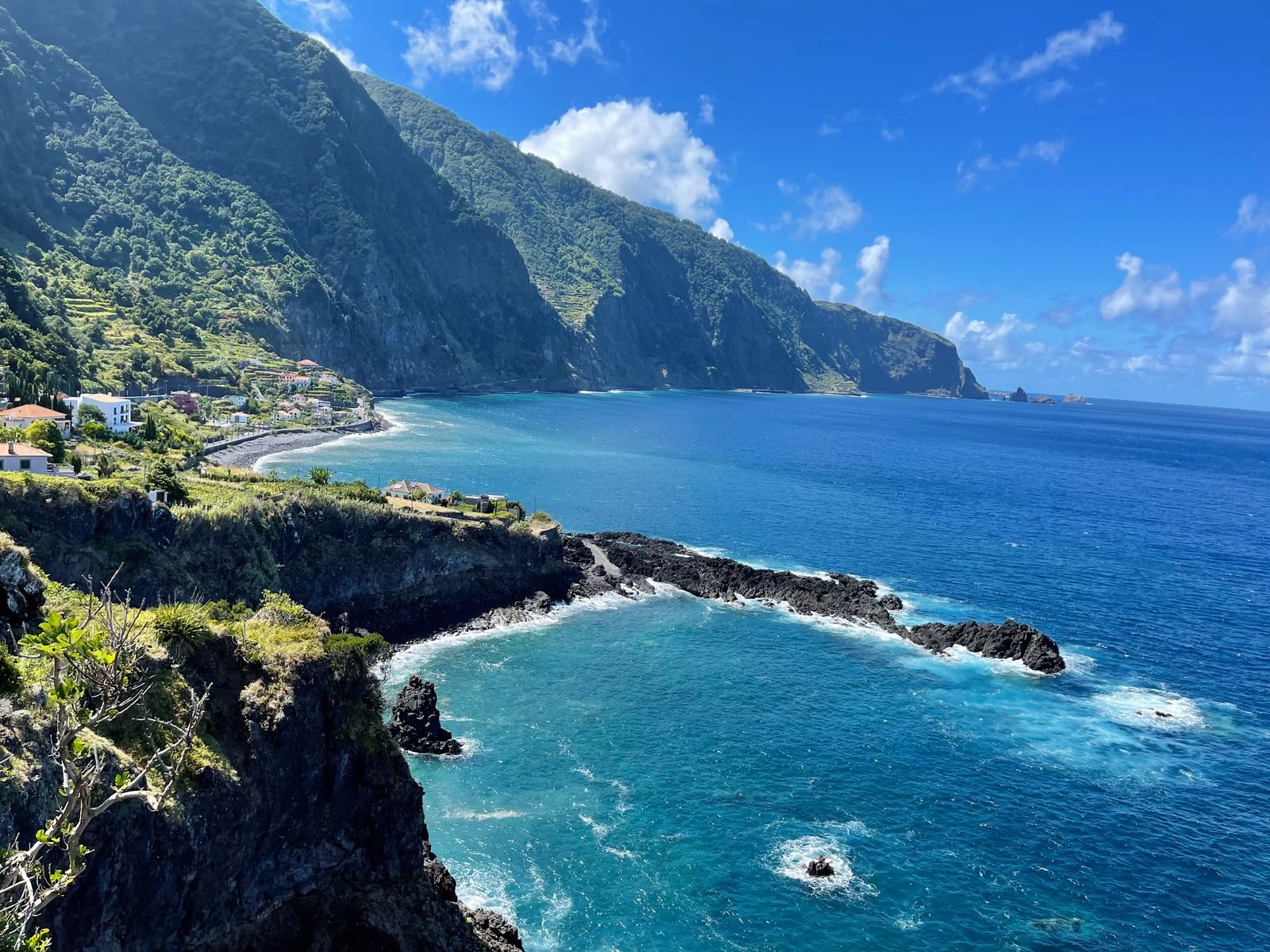
Dramatic ridges, levada paths and flower-filled Funchal on a steep Atlantic island.
Read the Madeira guide →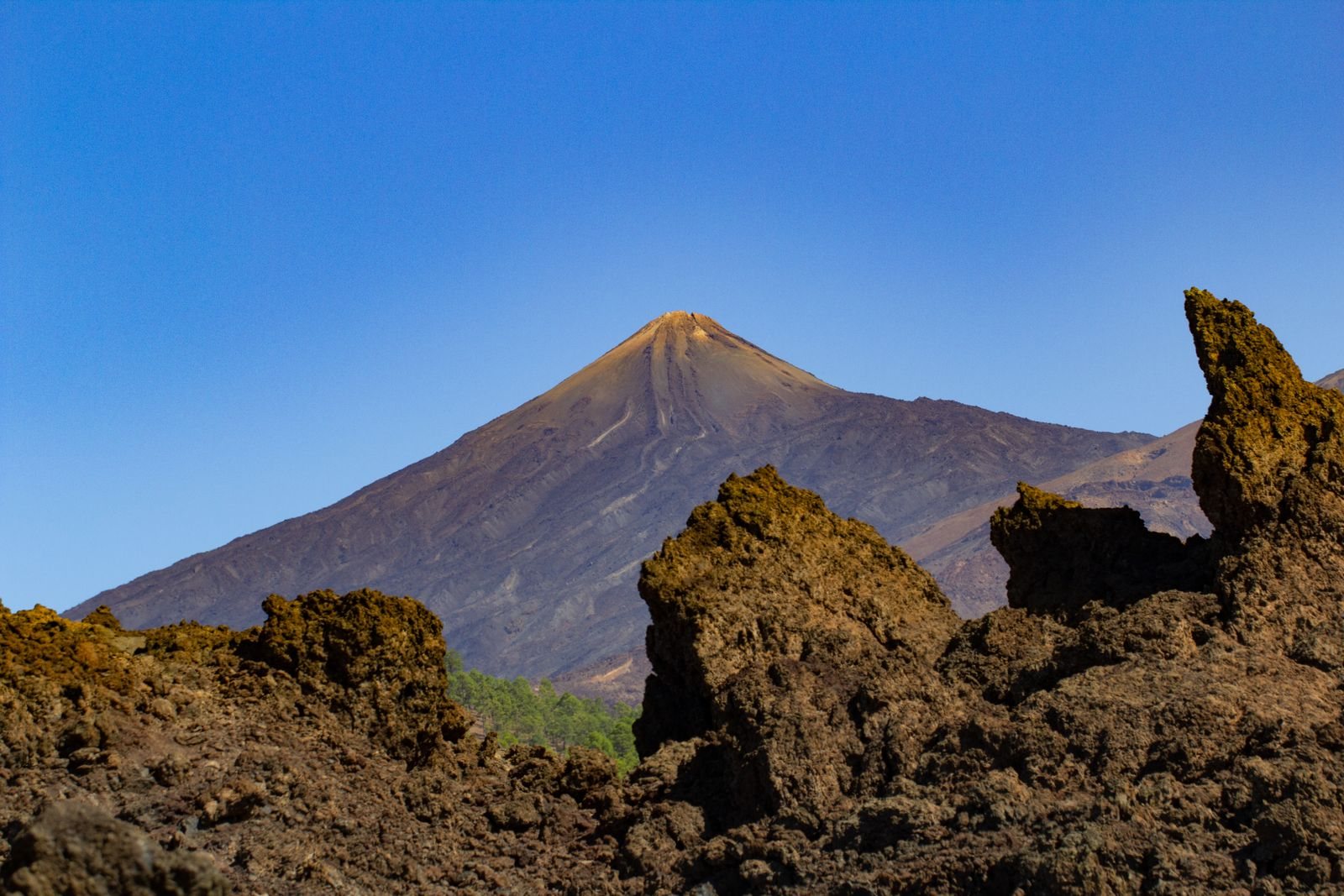
Spain’s highest peak, strong north–south contrasts and a broad mix of coast, city and hiking country.
Read the Tenerife guide →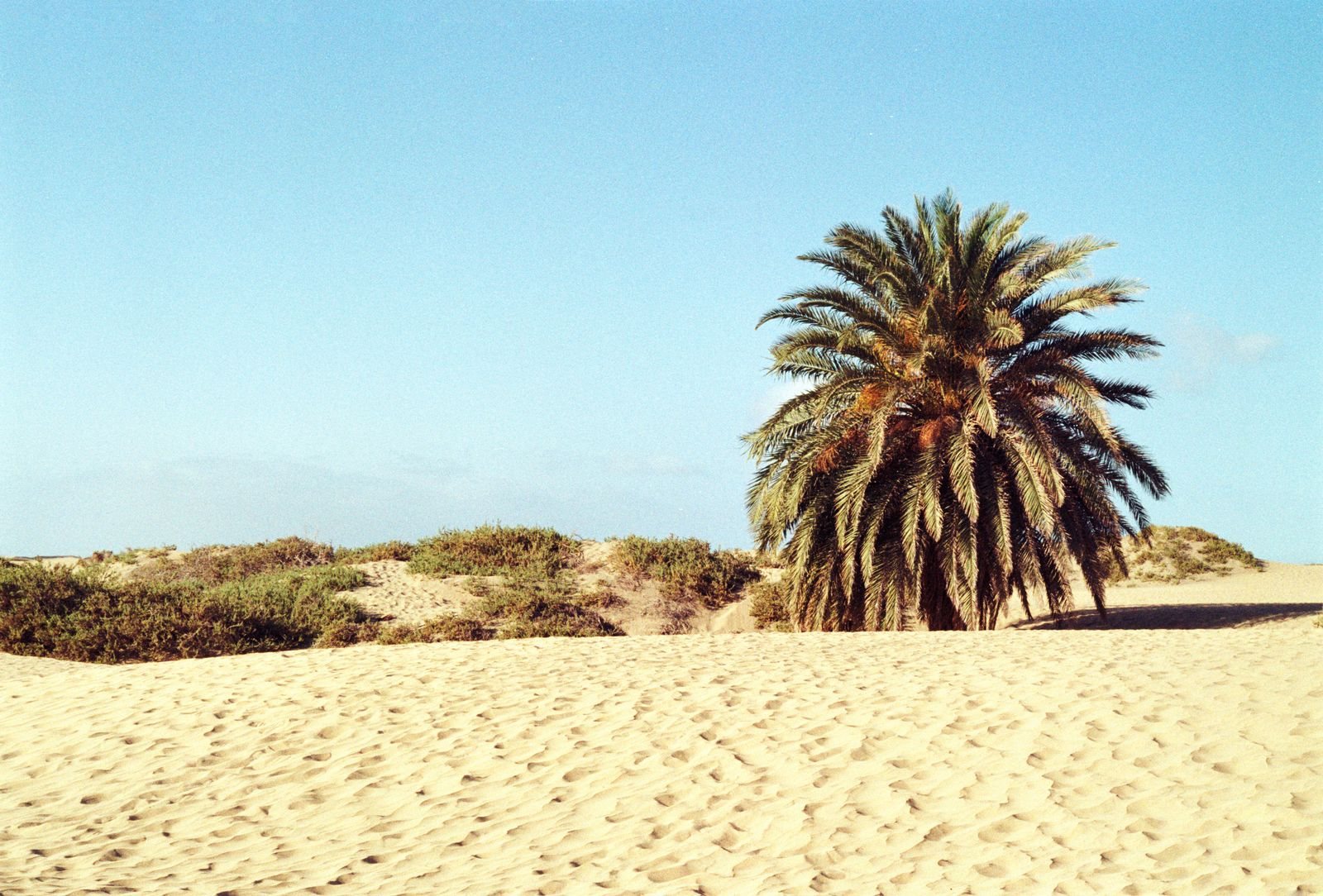
A compact island of mountain villages, capital-city life and the southern Maspalomas dune landscape.
Read the Gran Canaria guide →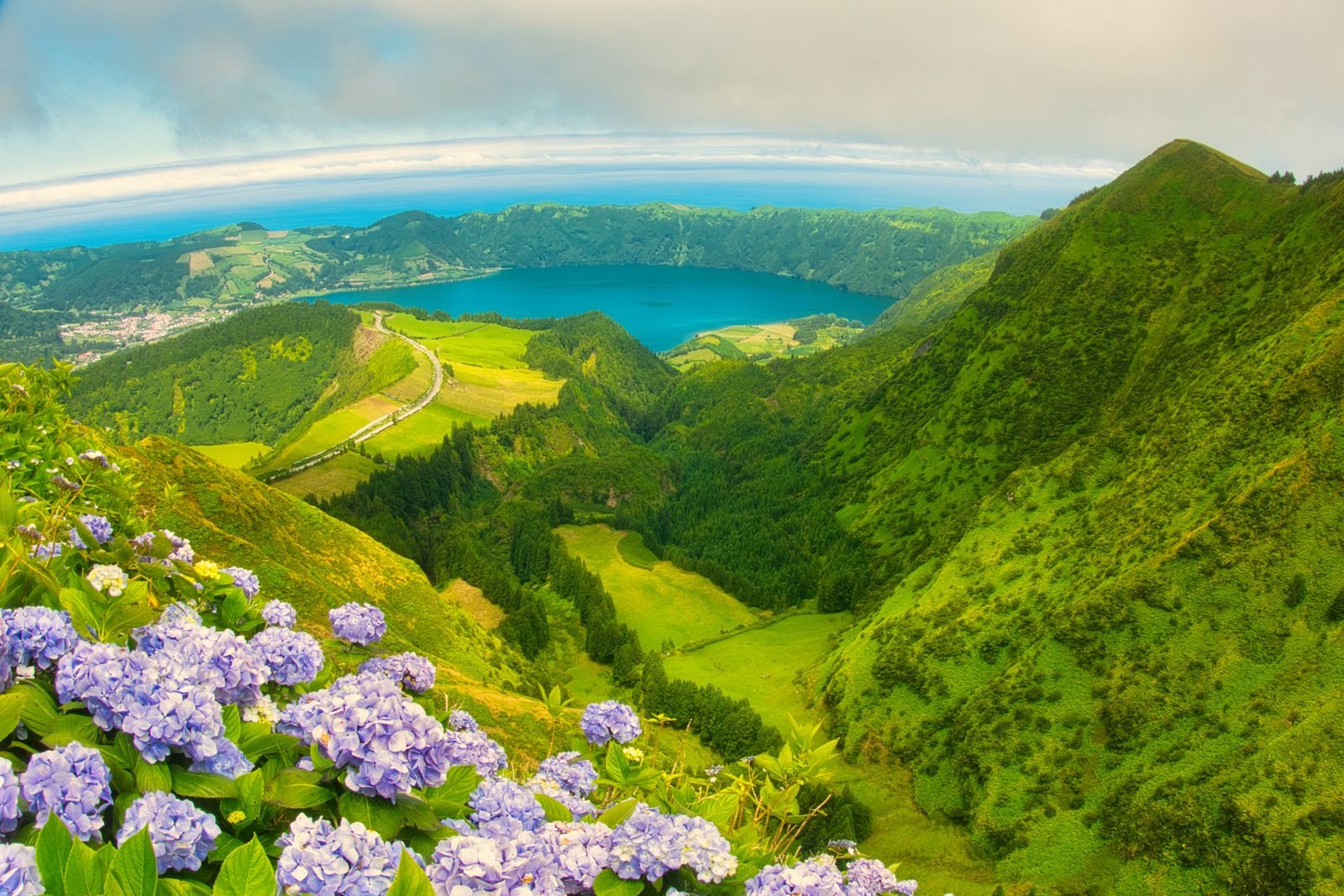
Green calderas, crater lakes and geothermal landscapes on the largest island in the Azores.
Read the São Miguel guide →Use these as a first-pass plan. Mountain and ocean conditions change quickly, so check local forecasts and access notices before setting out.
Madeira’s subtropical feel comes from its Atlantic latitude, ocean influence and steep relief: lush northern slopes can sit in cloud while the south coast is brighter and drier.
Spring is known for flowers; summer tends to be warmer and drier. Autumn and winter remain mild at the coast, but bring a greater chance of rain and unsettled mountain conditions.
Most visitors fly into Madeira’s airport on the east coast, with direct routes from many European cities and connections through mainland Portugal.
Base in Funchal for restaurants and transport; choose the sunnier southwest for a quieter coastal rhythm; or the north coast for greener scenery and a more rural feel.
The Canaries sit off northwest Africa. Trade winds, ocean currents and elevation shape distinct microclimates, often with greener north-facing slopes and drier southern coasts.
The islands are mild year-round. Winter is popular for escaping colder climates; summer is warmer and often dry. Higher ground can be dramatically cooler than the coast.
Tenerife and Gran Canaria both have major airports with wide European links. Ferries connect several islands, but crossing times and sea conditions vary.
Choose southern resort areas for beaches and convenience, northern towns for local character and greener landscapes, or a city base for food, culture and transport links.
Choose Tenerife for Spain’s highest peak, strong north–south contrasts and a broad mix of coast, city and hiking country.
Choose Gran Canaria for a compact island with mountain villages, the capital’s city life and the southern dune landscape.
São Miguel’s subtropical maritime climate supports intensely green landscapes. Weather is changeable, and sunshine, cloud and showers can all pass through in a single day.
Late spring through early autumn generally offers more settled conditions and longer days. Winter is milder than continental climates but wetter, windier and less predictable.
Fly into Ponta Delgada, with connections from mainland Portugal and selected international cities. Flights are the practical way to connect between distant islands.
Ponta Delgada works well for services and day trips; Furnas suits geothermal landscapes and quiet evenings; the west is convenient for Sete Cidades and sunset-facing coast.
The coast can feel summery while a ridge is cool, wet and windy. Build flexibility into the day instead of forcing a fixed plan through island weather.
There is no single “best” month across all three archipelagos.
Keep the route simple. Ferries make sense between nearby islands; flights are often more practical across wider Atlantic distances.
Think in layers rather than “beach” versus “mountain.”
Compare a few date combinations before committing. Flights, accommodation and rental-car costs vary by season and demand, so check current fares for your exact trip.
Search flexible dates and nearby departure airports, then review baggage and connection terms before booking.
Affiliate placeholderCompare city hotels, apartments, guesthouses and rural stays by location—not just the nightly headline price.
Affiliate placeholderCheck insurance, deposit, transmission type and pickup hours. On steep islands, choose a car you are comfortable driving.
Affiliate placeholderPrioritize small-group experiences with clear cancellation terms and operators that respond to weather and sea conditions.
Affiliate placeholderSubtropical Islands is a practical starting point for travellers drawn to Atlantic islands with mild climates, volcanic landscapes and distinct local character. The focus is on choosing the right island, season and base—not on manufactured rankings.
No. Coastal temperatures are generally mild, but conditions vary by season, exposure and elevation. Mountains can be cool, cloudy, wet or windy even when the coast is sunny.
It depends on the island and itinerary. Funchal, Las Palmas and Ponta Delgada can work as urban bases, while rural viewpoints, trailheads and smaller towns are easier to reach by car. Guided day trips are an alternative.
You can, but it usually requires flights and generous connection time. For a shorter trip, exploring one archipelago in depth is often more relaxed than linking Madeira, the Canaries and the Azores.
Difficulty varies widely. Steep terrain, exposure, mud, heat and fast-changing weather can turn a short route into a serious outing. Use official local trail information and respect closures.
The guides recommend areas and accommodation types, not named properties. There are no invented ratings, reviews or “best hotel” claims.